Guides and Downloads
These downloadable guides offer a little more space to explore some of the issues that often come up in counselling. If a topic below feels familiar, or you simply want to understand it in more depth, you can click through and read at your own pace. They are not intended to replace therapy, but to offer useful reflection, reassurance and a starting point for thinking about what may be happening for you.

General Counselling
What to expect from counselling
An introduction to counselling with Helen, including what to expect from your first session and how we can work together.
Self-Esteem, Self-Worth and the Inner Critic
Understanding where harsh self-beliefs come from and how counselling can help you relate to yourself differently.
Relationships and Old Patterns
Explore how earlier experiences can shape present-day relationships, emotional reactions and the roles we find ourselves repeating.
Loss, Grief and Life Transitions
Explore the many forms grief can take and how counselling can support you through the pain of loss, uncertainty and significant change.
Mindfulness and Grounding
Discover simple, practical ways to settle your nervous system, reconnect with your surroundings and return to the present moment when thoughts or emotions feel overwhelming.
Frequently asked questions
Practical answers to common questions about counselling, sessions, confidentiality, fees and getting started.
Why Do I Keep Overthinking?
Explore why the mind can become caught in repetitive thinking and discover ways to create greater clarity and mental space.
Understanding ADHD
An accessible introduction to how ADHD can affect attention, motivation, emotions, relationships and everyday life.
Perfectionism and “Good Enough”
Understand what drives perfectionism and begin loosening the pressure to achieve, perform or get everything exactly right.
Understanding Your Patterns
Explore how familiar thoughts, feelings and behaviours take shape, what keeps them going, and how awareness can open the door to different choices.
Understanding anxiety and your window of tolerance
A gentle guide to understanding anxiety and finding your way back towards steadier ground.
The Therapeutic Relationship
Understand why feeling safe, heard and able to be yourself can be such an important part of counselling.
People-Pleasing and Boundaries
Understand why saying "no" can feel so difficult and how healthier boundaries can support more honest, balanced relationships.
When You Feel Stuck or Low
Understand what may be happening when life feels flat or overwhelming and explore small, manageable ways to begin moving forward.
When boredom becomes difficult
Understand the different forms boredom can take, why food may become a source of stimulation or relief, and what the feeling may really be asking for.
Eating Disorders
Life beyond an eating disorder
A guide to recovery, reconnecting with yourself and rediscovering a life beyond eating-disorder thoughts and behaviours.
Eating disorder behaviours which culture has normalised
Recognise the food, body and exercise behaviours that may be praised as healthy or disciplined even when they are causing distress.
ADHD and Eating Disorders
Explore how dopamine, impulsivity, sensory needs, executive functioning and emotional regulation can shape a person’s relationship with food.
A Gentler Voice in Eating Disorder Recovery
Learn to distinguish the eating-disorder voice from your own and develop an inner response grounded in steadiness rather than punishment.
Wanting, Liking and the Urge to Eat
Understand why strongly wanting food is not always the same as enjoying it, and how the brain’s reward system can drive urges even when eating brings little pleasure.
The Eating Disorder Voice
A closer look at the eating disorder voice through the Transactional Analysis lens, exploring how criticism, control, approval- seeking and the promise of becoming a different version of yourself can shape the inner world of an eating disorder, and how strengthening the Adult can create more freedom, choice and self trust.
Body image and eating-disorder recovery
Exploring body image distress and developing a more accepting and compassionate relationship with your body.
The Abstinence Violation Effect
Understand how one difficult eating experience can become “I’ve ruined everything”, and how self-care can interrupt the resulting cycle of shame and further behaviours.
Eating Disorders in a Larger Body
Explore the paradox of needing freedom from disordered eating while also feeling desperate to lose weight. Discover how healing can begin from the inside out without returning to restriction.
Common Thinking Patterns in Eating Disorders
Identify the rigid, all-or-nothing and self-critical thoughts which can keep an eating disorder in place, and begin questioning their authority.
When Boredom leads to eating
Explore how different forms of boredom can lead towards eating, and discover how to respond to the need beneath the urge without turning recovery into another set of rules.
When the Eating Disorder Makes Sense
Explore how an eating disorder may develop as a way of coping, creating safety or finding control, and how understanding its purpose can open a more compassionate path towards recovery.
OCD and Eating Disorders
A closer look at where OCD and eating disorders can overlap, including intrusive thoughts, rituals, checking, perfectionism and the need for certainty, and how understanding the function of these patterns can support more effective recovery.
The Minnesota Starvation Study
Discover what this landmark study revealed about restriction, food preoccupation and the body’s powerful drive to restore nourishment.
The Itchy Jumper
A simple but powerful way of understanding why recovery can initially feel uncomfortable, even when the eating disorder itself is causing harm.
Sitting with Uncertainty in Eating Disorder Recovery
Explore why uncertainty about food, body changes, recovery and life without the eating disorder can feel so threatening, and how gradually tolerating it can create greater freedom and flexibility.
Understanding Emotional Triggers in Eating Disorder Recovery
Explore how difficult emotions, situations and unmet needs can activate eating disorder behaviours, and begin finding safer ways to understand and respond to them.
Procrastination and Eating Disorder Recovery
Exploring why putting things off can bring short term relief but create more stress in the long run, with a particular focus on ADHD, avoidance and the familiar promise of “I’ll start on Monday.”
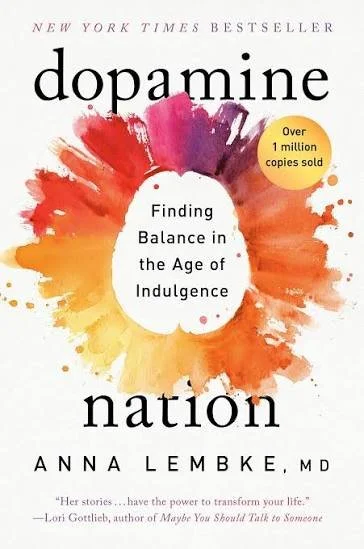
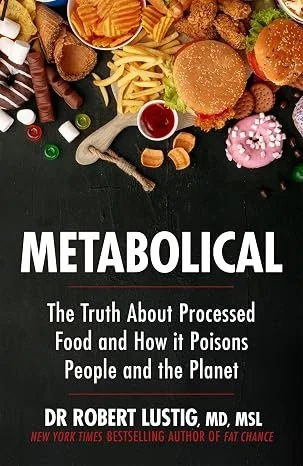
Books for eating disorders & disordered eating


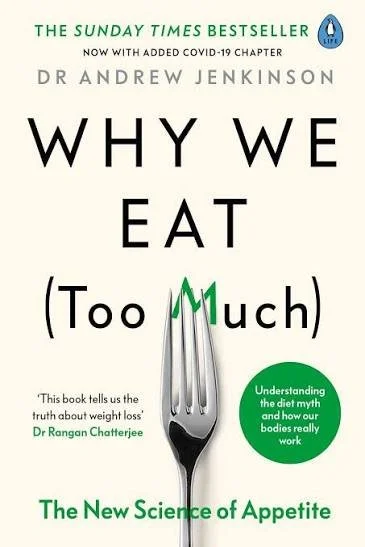



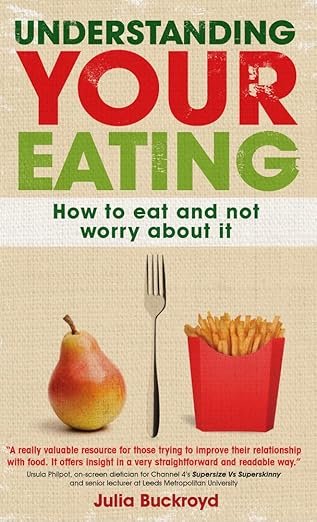
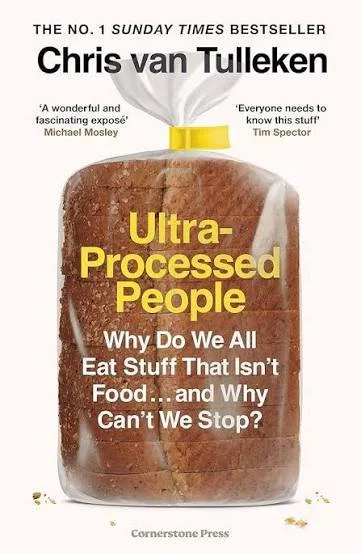


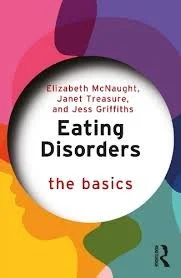
Books for body image & intuitive eating





Books for emotional healing, trauma & self-compassion


Additional recommended books